
TL;DR:
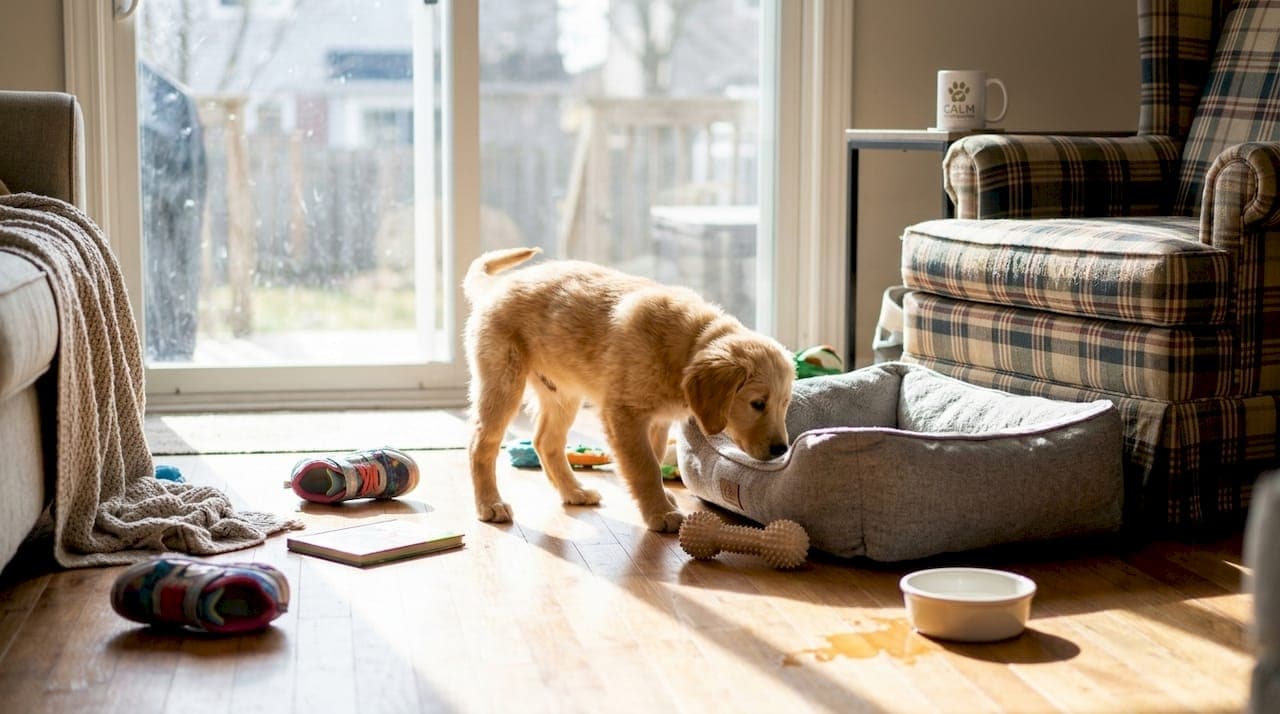
Preparation with supplies, space setup, and health checks ensures a smoother transition for puppies.
Early training, socialisation, and consistent routines lay the foundation for well-behaved, confident dogs.
Proactive planning reduces owner stress and encourages calm, confident bonding during the first week.
Bringing a new puppy home is one of life’s most joyful experiences, but it can feel completely overwhelming within the first few hours. You suddenly realise you need a bed, the right food, somewhere safe to sleep, and a plan for the middle of the night when the crying starts. Most new owners wing it, and that’s where avoidable stress creeps in for both puppy and owner. This guide walks you through every essential on the new puppy checklist, from supplies and space setup to health, training, and handling the tricky first challenges, so you can feel genuinely ready before your puppy even crosses the threshold.
Table of Contents
Key Takeaways
| Point | Details |
|---|---|
| Prepare essential supplies | Have all food, bedding, toys, and puppy-proofing in place before your puppy arrives. |
| Set up a secure space | Create boundaries and a calming area to help your puppy adjust rapidly and safely. |
| Prioritise early training | Start socialisation and basic routines in week one for lasting positive behaviour. |
| Monitor health closely | Schedule vet checks, vaccinations, and set up insurance to protect your puppy’s wellbeing. |
| Respond calmly to challenges | Expect minor setbacks and approach them with patience to build your puppy’s trust. |
Essential supplies: what every new puppy needs
Preparing the home with core essentials is key to a smooth transition, and the good news is that getting organised ahead of time genuinely removes the panic from day one. Before your puppy arrives, you want everything in place so you can focus on bonding rather than last-minute shopping runs.
Here’s what you need to have ready:
-
Crate or dog bed: A safe, enclosed space where your puppy can rest and feel secure
-
Food and water bowls: Sturdy, non-tip options work best for excitable pups
-
Age-appropriate puppy food: Ask your breeder or rescue what the puppy has been eating to avoid stomach upsets during the transition
-
Collar, ID tag, and lead: Legally required in the UK from eight weeks of age
-
Puppy toys: Both chew toys and interactive toys to keep their mind busy
-
Enzyme-based cleaning spray: Accidents will happen, and RSPCA puppy essentials guidance recommends enzyme cleaners to fully remove odour and discourage repeat accidents in the same spot
-
Puppy pads or outdoor toilet area: Whichever toilet training method you choose, have it ready from the start
When it comes to puppy food, not all options are equal. Here’s a quick comparison to help you choose:
| Food type | Key benefit | Best for |
|---|---|---|
| Dry kibble | Convenient, long shelf life | Most breeds, easy storage |
| Wet food | High moisture, palatable | Fussy eaters or small breeds |
| Raw (BARF) | Mimics natural diet | Owners with time to prepare |
| Mixed feeding | Balance of texture and nutrition | Transitioning or varied diet |
Pro Tip: Choose adjustable essentials where possible. A crate with a divider panel lets you section off a smaller space for a tiny puppy and open it up as they grow, saving money and keeping them feeling secure at every stage.
Setting up your puppy’s home space
Once you’ve gathered your supplies, it’s time to create a welcoming, safe environment. Dedicated spaces help your puppy feel secure by giving them clear, consistent areas for sleeping, eating, and toileting. Confusion about where to go leads to accidents and anxiety, so getting this right from the start pays dividends.
The three zones to establish are a sleeping area, a feeding station, and a toilet area. Keep them in consistent locations so your puppy quickly learns what each space is for. Calming a new puppy is far easier when their environment is predictable.
Before your puppy sets paw inside, puppy-proofing is essential. Common hazards include electrical cords, toxic houseplants such as peace lilies and ivy, small objects they could swallow, open staircases, and unsecured bins. Think of it like toddler-proofing, but with a creature that can fit under a sofa.
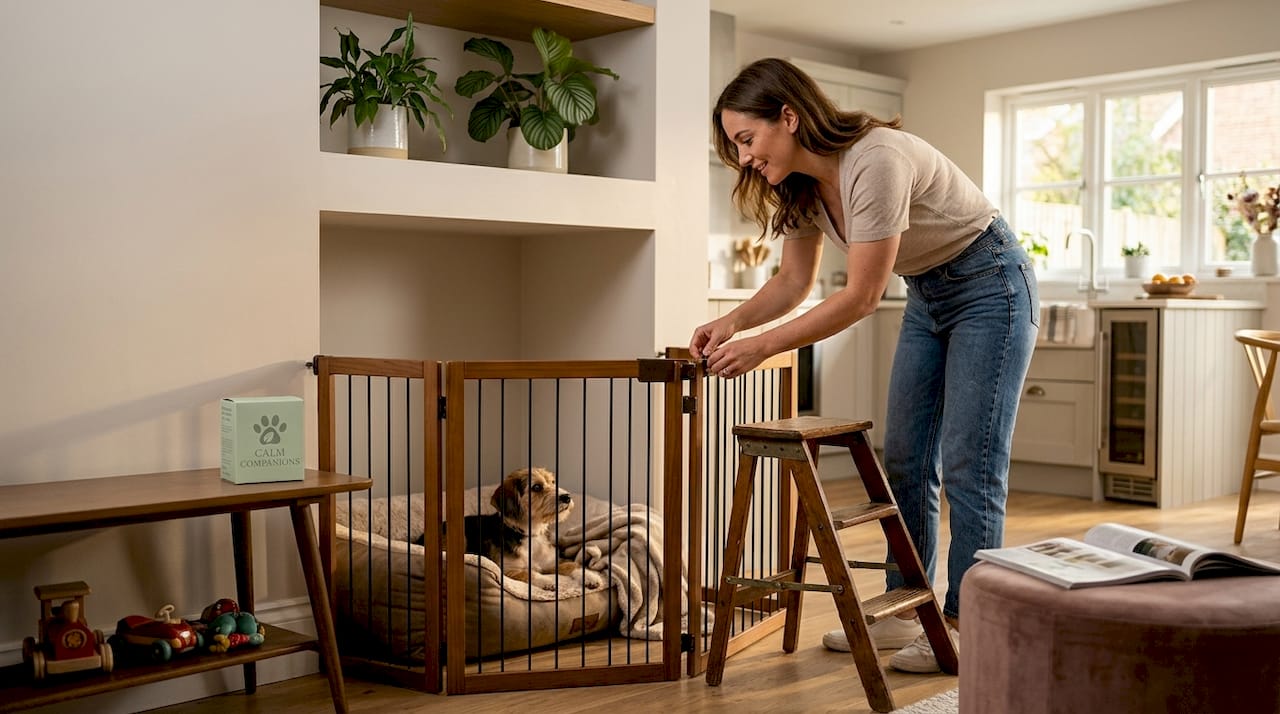
Here’s how to compare your containment options:
| Setup | Pros | Cons |
|---|---|---|
| Crate | Builds den instinct, aids toilet training | Needs gradual introduction |
| Playpen | Flexible, more space | Less den-like feel |
| Open roaming | Freedom, natural | High supervision needed |
Steps to make your puppy’s space inviting:
-
Place a worn item of your clothing in the sleeping area for scent comfort
-
Add a ticking clock nearby to mimic a mother’s heartbeat
-
Keep the space warm but not directly next to a radiator
-
Introduce the space calmly before the puppy’s first sleep there
-
Cover the crate partially with a blanket to create a den-like atmosphere
For further guidance, puppy’s first week advice from Blue Cross covers space setup in helpful detail.
Pro Tip: Start as you mean to go on. If you don’t want your adult dog on the sofa, don’t allow it from day one. Puppies learn habits fast, and reversing them later is far harder than setting boundaries early.
Health and wellbeing essentials
With the home ready, healthy puppies thrive when their wellbeing is planned from the very beginning. Your first vet visit should happen within 48 to 72 hours of bringing your puppy home. This is your chance to confirm their health, discuss vaccinations, and get personalised advice.
Key health tasks to complete in the first two weeks:
-
Book your first vet appointment within 48 hours of arrival
-
Confirm vaccination status and arrange follow-up jabs if needed
-
Microchipping: Legally required in England, Scotland, and Wales before eight weeks of age
-
Start a worming and flea prevention programme as recommended by your vet
-
Obtain your puppy’s health records from the breeder or rescue
-
Consider pet insurance before the first vet visit so any condition discovered is not classed as pre-existing
According to puppy health advice from The Kennel Club, early preventive care significantly reduces the risk of common illnesses that affect unvaccinated puppies in their first months. Vet checks and vaccinations are rightly part of any thorough puppy checklist, and planning first weeks with your puppy around these appointments keeps everything on track.
“The first vet visit is not just about jabs. It’s an opportunity to check for congenital issues, discuss nutrition, and build a relationship with a professional who will know your dog throughout their life. Early care is always better than reactive care.” — Veterinary guidance on proactive puppy health
Insurance deserves a special mention. Premiums are generally lower when taken out at a young age, and many policies will not cover conditions that existed before the policy started. Compare a few providers and read the small print on exclusions carefully.
Early training, socialisation, and bonding basics
Prepared puppies adapt best when training starts early, even in very small steps. Early positive training habits lay the foundation for calmer adult dogs, and the window for socialisation between three and twelve weeks of age is the most critical period of a dog’s life.
Your week-one training checklist:
-
Sit: The first command most puppies pick up easily with a treat lure
-
Name recognition: Say their name, reward eye contact every time
-
Recall: Begin indoors where distractions are minimal
-
Lead introduction: Let them wear a collar for short periods before attaching a lead
-
Handling: Touch paws, ears, and mouth daily to prepare for grooming and vet visits
Socialisation dos and don’ts:
-
Do expose your puppy to different sounds, surfaces, and people gently
-
Do invite calm, friendly visitors to meet the puppy at home before vaccinations are complete
-
Don’t force interactions or flood the puppy with too many new experiences at once
-
Don’t take unvaccinated puppies to public dog areas
-
Do use puppy classes post-vaccination for safe, structured socialisation
For further reading, puppy training advice from Dogs Trust is a well-regarded free resource. Understanding puppy behaviour management alongside training makes the two work in tandem.
Pro Tip: Use high-value treats such as small pieces of chicken or cheese for training sessions. Puppies respond far more enthusiastically to something genuinely exciting than to their ordinary kibble, which speeds up learning dramatically.
Troubleshooting and common new puppy challenges
Even when you follow a checklist, puppies bring surprises. Understanding typical puppy challenges can help owners prevent or resolve them calmly, without resorting to frustration or inconsistency.
Quick solutions for the top five puppy issues:
-
Crying at night: Place the crate near your bed initially and gradually move it to its permanent location over a week or two
-
House training accidents: Increase outdoor toilet trips to every 30 to 45 minutes and reward successes immediately
-
Nipping and mouthing: Redirect to a chew toy and withdraw attention calmly rather than scolding
-
Destructive chewing: Ensure enough mental stimulation and physical exercise, and remove temptation by tidying away valuables
-
Separation anxiety signs: Practise very short absences from the start, building duration gradually
The key to navigating all of these is calm consistency. Your puppy is not being naughty. They are processing an enormous amount of new information every single day. Learning about puppy pack behaviour can also help you understand why dogs respond to calm, consistent leadership.
“Most puppy problems resolve themselves far more quickly when owners stay calm and keep routines tight. Inconsistency, not the puppy, is usually the root cause of prolonged struggles.” — Common puppy challenges guidance, Battersea Dogs & Cats Home
Our perspective: why proactive planning beats panic
Here at Calm-Companions, we’ve seen one pattern repeated more than any other: owners who arrive fully prepared have calmer puppies. Not because the puppies are different, but because a settled owner creates a settled environment.
The common advice is to “just see how it goes” when a puppy arrives. In our experience, that mindset almost always leads to reactive decisions made at 2am when a puppy won’t stop crying and nobody has a plan. A checklist is not about rigidity. It’s about removing decisions under pressure so you can respond with confidence.
Checklists also help every person in the household take responsibility. When your partner, children, or housemates know the routine, the puppy gets consistency from everyone rather than mixed signals. That matters enormously for fast, stress-free settling. If you need support for calming your puppy, having a framework to return to makes all the difference between a rough first week and a genuinely enjoyable one.
Get more support and free puppy resources
Getting everything right in that first week sets the tone for months to come, and you don’t have to do it alone. Calm-Companions exists specifically to support new puppy owners through exactly this transition.
Our free Week-1 puppy guidecovers daily routines, night settling techniques, and behaviour guidance in one simple, structured guide delivered straight to your inbox. If you’d like more tailored support, our personalised puppy advice resource walks you through the specific challenges your puppy is facing. Sign up today and give your puppy the calm, confident start they deserve.
Frequently asked questions
What do I need to buy before bringing my puppy home?
You should have a suitable bed, crate, puppy food, bowls, lead, toys, and cleaning supplies ready ahead of arrival. Having these in place before day one means you can focus entirely on helping your puppy settle, as outlined in 7 expert steps for introducing your puppy to home.
How do I puppy-proof my home?
Secure loose wires, remove toxic plants, and block access to small or hazardous areas to prevent accidents. Following stress-free transition tips helps you tackle this systematically before your puppy arrives.
When should I start training and socialising my puppy?
Begin basic training and socialisation in the first week at home for the best long-term results. Starting from week one gives your puppy the strongest foundation for calm, confident adult behaviour.
What should I do if my puppy cries all night?
Offer comfort, keep to a set routine, and avoid responding to every whimper so your puppy learns to settle. Routine and calm responses are the two most effective tools for managing night-time crying.
How can I make vet visits less stressful for my puppy?
Use treats, calm handling, and short, positive experiences during vet trips to build your puppy’s confidence. Building calm from week one makes a significant difference to how your puppy copes in new situations.